

Most graphic workout tees are judged backward. Buyers obsess over the slogan, color, and oversized silhouette, then discover during training that the shirt traps sweat, rubs under a barbell, or loses its graphic after repeated washing. A strong design matters, but fabric, construction, print bonding, odor retention, and care determine whether a tee earns a regular place in your rotation.
That distinction matters because T-shirts aren't a minor corner of sportswear. The global sports apparel market was valued at USD 220.35 billion in 2025 and is projected to reach USD 325.21 billion by 2034, with tops and T-shirts holding the largest product share in 2024 and projected to represent 41.63% of the market in 2026 according to Fortune Business Insights' sports apparel market analysis. Graphic workout tees sit at the intersection of performance gear, athleisure, and personal identity. Choose them like equipment, not decoration.
Table of Contents
- Why Graphic Workout Tees Are More Than Just Style
- Choosing the Right Fabric for Training Performance
- Finding the Best Fit and Construction for the Gym
- Print Methods That Survive Daily Training and Washing
- How Motivation Graphics Reinforce Training Discipline
- Care Routines That Extend the Life of Your Tees
- Building a Graphic Tee Wardrobe That Works for Every Session
Why Graphic Workout Tees Are More Than Just Style
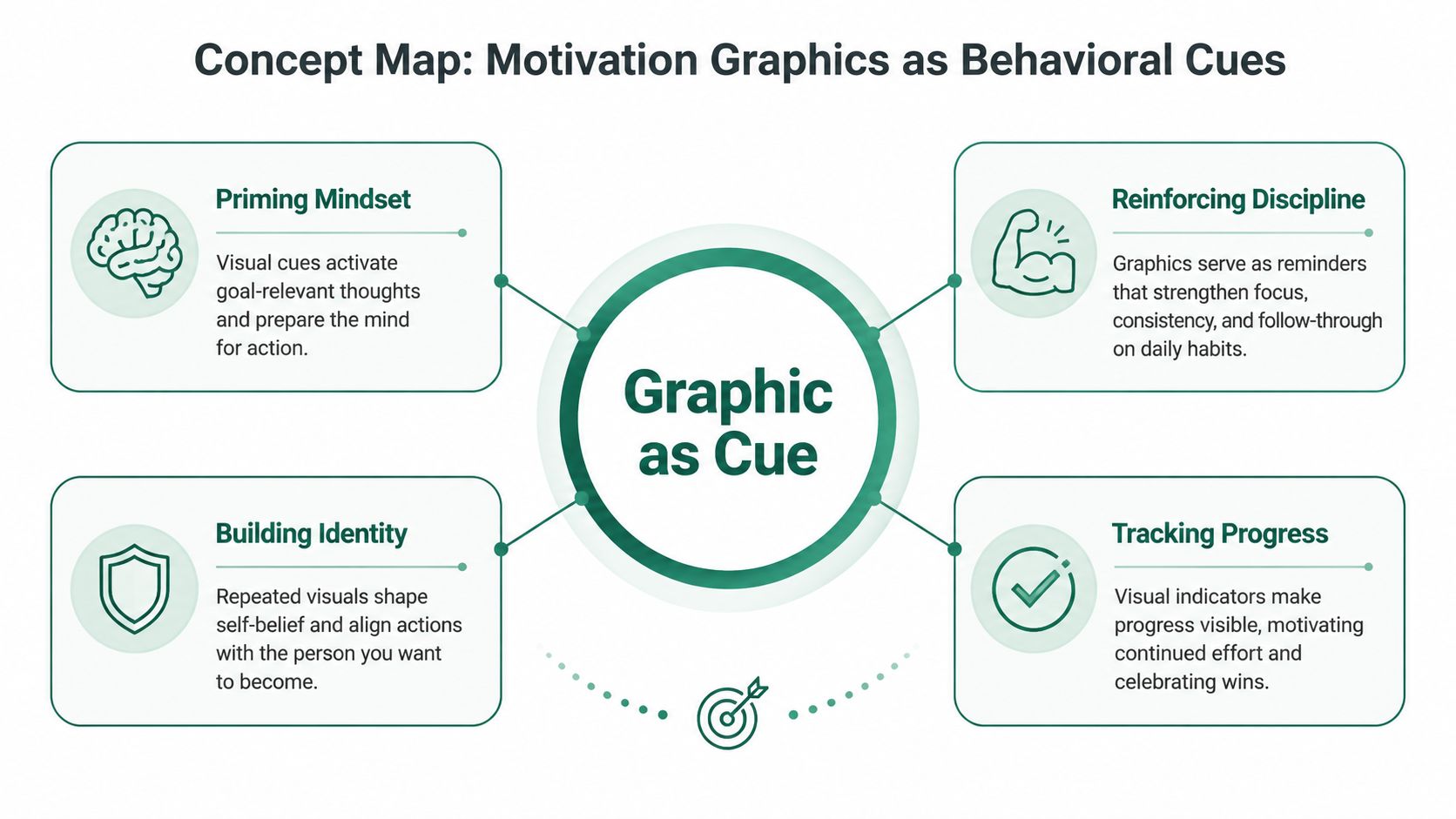
Calling graphic workout tees vanity purchases misses how people train. The shirt you pull on before a session can reinforce the identity you want to inhabit, whether that's disciplined lifter, endurance athlete, team player, or someone committed to showing up. A phrase, symbol, or logo won't complete a workout for you, but it can become a repeatable behavioral cue attached to the act of getting ready.
That cue has practical value. If a particular tee belongs to your training ritual, putting it on can mark the transition from ordinary errands to focused work. The graphic becomes a reminder of the standard you've chosen, especially on days when motivation feels unreliable. The commitment still comes from you, but the clothing helps make the decision visible and repeatable.
The category has also moved far beyond specialist sportswear. A market summary places global activewear at about USD 406.83 billion in 2024, with a projection of USD 677.26 billion by 2030, while another view projects athleisure from USD 422.0 billion in 2025 to USD 892.5 billion by 2033. The same activewear market overview identifies shirts and T-shirts as leading product categories, including a reported 30.5% share in 2025 in one market view and 32% in another. The broader point is clear: training clothes now work across the gym, commute, and casual life.
Treat the tee like training equipment
Serious lifters inspect shoes, belts, wraps, and bags because small failures become obvious under stress. A tee deserves the same scrutiny. The wrong shoulder seam restricts movement, a bulky print creates a hot patch against your chest, and a weak collar makes a shirt look worn before the fabric fails.
Practical rule: Buy the message for identity, but judge the garment by what happens during your hardest set.
Graphic workout tees can also help bridge training and everyday wear. A restrained front mark with a stronger back graphic works under a hoodie, while a bold oversized design can function as a pump cover or casual layer. That versatility is useful, but it shouldn't excuse weak performance construction. If the shirt becomes unpleasant halfway through conditioning, you won't reach for it often enough for the graphic to matter.
Choosing the Right Fabric for Training Performance
Fabric makes the biggest difference between a graphic workout tee you enjoy wearing and one you tolerate only for low-sweat sessions. Cotton is comfortable, familiar, and often soft from the first wear, but it can become heavy and clingy once saturated. Polyester-rich blends manage moisture more efficiently, while wool options bring a different approach to odor and temperature control.
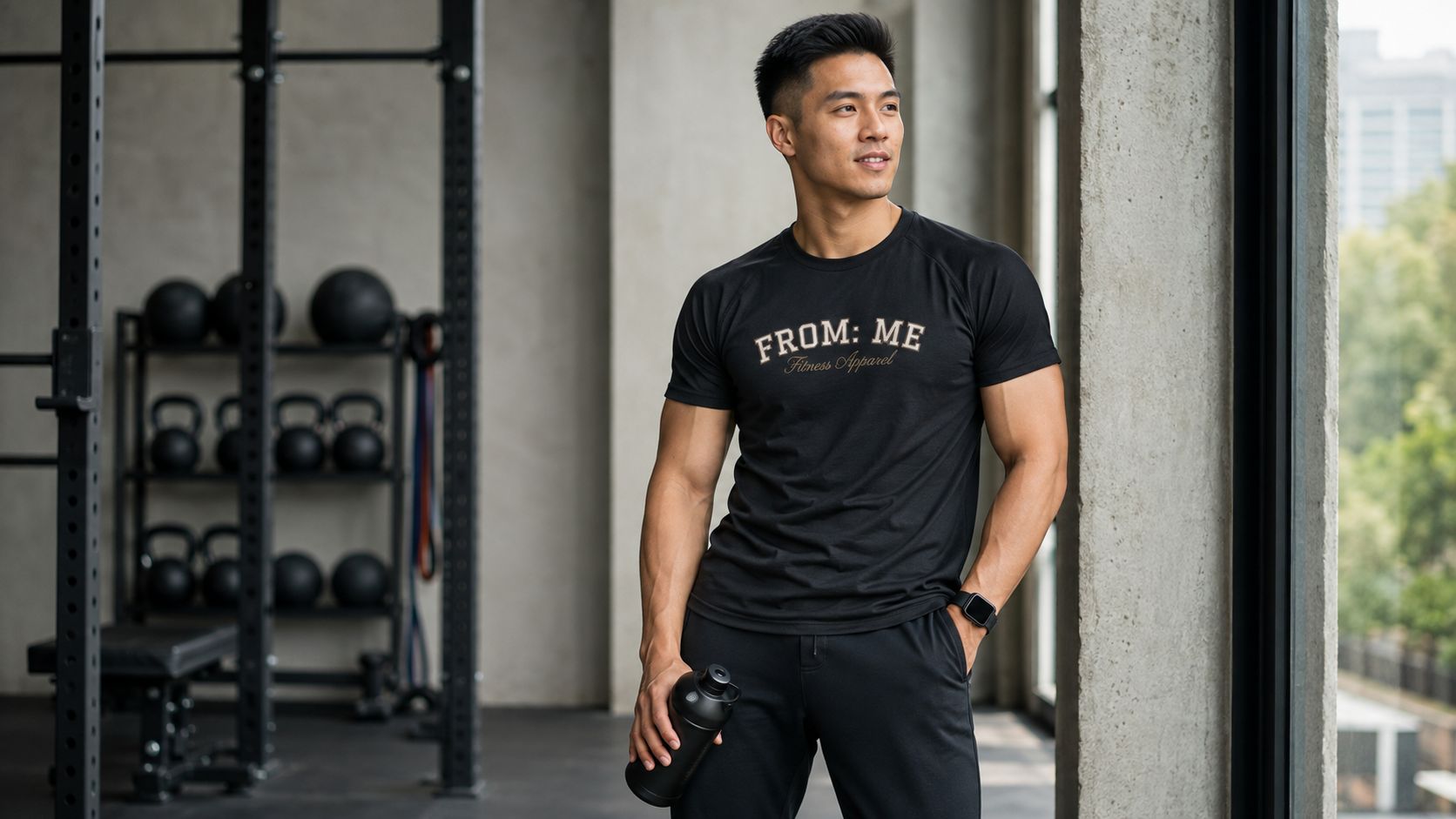
A controlled exercise study compared a shirt made from 81% polyester and 19% elastane with a 100% cotton shirt. Participants wearing the synthetic shirt had significantly lower rectal temperature during the final 15 minutes of exercise and the shirt retained less sweat, indicating faster evaporation and better ventilation under heat stress, as reported in the controlled textile and exercise study. For hard conditioning, a polyester-elastane knit is the safer starting point than 100% cotton.
Match the fiber to the session
Cotton still has a role. It works well for strength sessions with long rest periods, warm-ups, travel, and post-training wear. A heavier cotton tee can feel substantial and hold a relaxed silhouette, but it's a poor choice for hot, high-output work if you dislike wet fabric sitting against your skin.
Polyester-elastane blends suit intervals, circuits, running, and hot gyms because the fabric can move sweat away from the body and recover after stretching. The trade-off is odor. Research summarized in the PubMed study on textile odor and fiber behavior indicates that polyester can retain more odor-causing bacteria and produce stronger odor after exercise than cotton, while wool or wool-poly blends can reduce odor intensity. Odor also varies across the shirt, with the upper area showing higher intensity in the cited research, so ventilation and prompt post-session care matter.
| Fabric Type | Moisture Wicking | Odor Resistance | Print Durability | Best Training Context |
|---|---|---|---|---|
| Cotton | Low once saturated | Generally better than polyester after exercise | Depends on print and wash care | Strength work, warm-ups, casual wear |
| Polyester-elastane blend | Strong moisture movement and stretch | Can retain odor without disciplined care | Often suitable for bonded performance prints | Conditioning, intervals, hot gyms |
| Wool or wool-poly blend | Balanced moisture and temperature behavior | Stronger odor control potential | Requires careful print and wash compatibility | Travel, mixed training, repeated wear |
Look beyond the fiber name. Check whether the shirt feels dense or airy, whether it stretches across the chest without pulling the graphic, and whether the label explains the blend clearly. The women's moisture-wicking tops guide is useful background when comparing moisture-focused apparel, but the same principle applies to any tee: performance starts with the base knit, not the artwork.
The Varsity Active Tee uses a lightweight, moisture-wicking mid-weight fabric with built-in UV protection and a relaxed athletic fit. It's positioned for movement, repetition, and post-session wear, so it makes more sense for mixed training and everyday use than for someone specifically seeking a heavyweight cotton pump cover.
Finding the Best Fit and Construction for the Gym
A technically capable fabric won't save a badly cut shirt. Fit controls how the garment behaves when you press overhead, hinge at the hips, brace under a belt, or lie against a bench. You should test a graphic workout tee through the movements you perform, not just inspect it standing still.
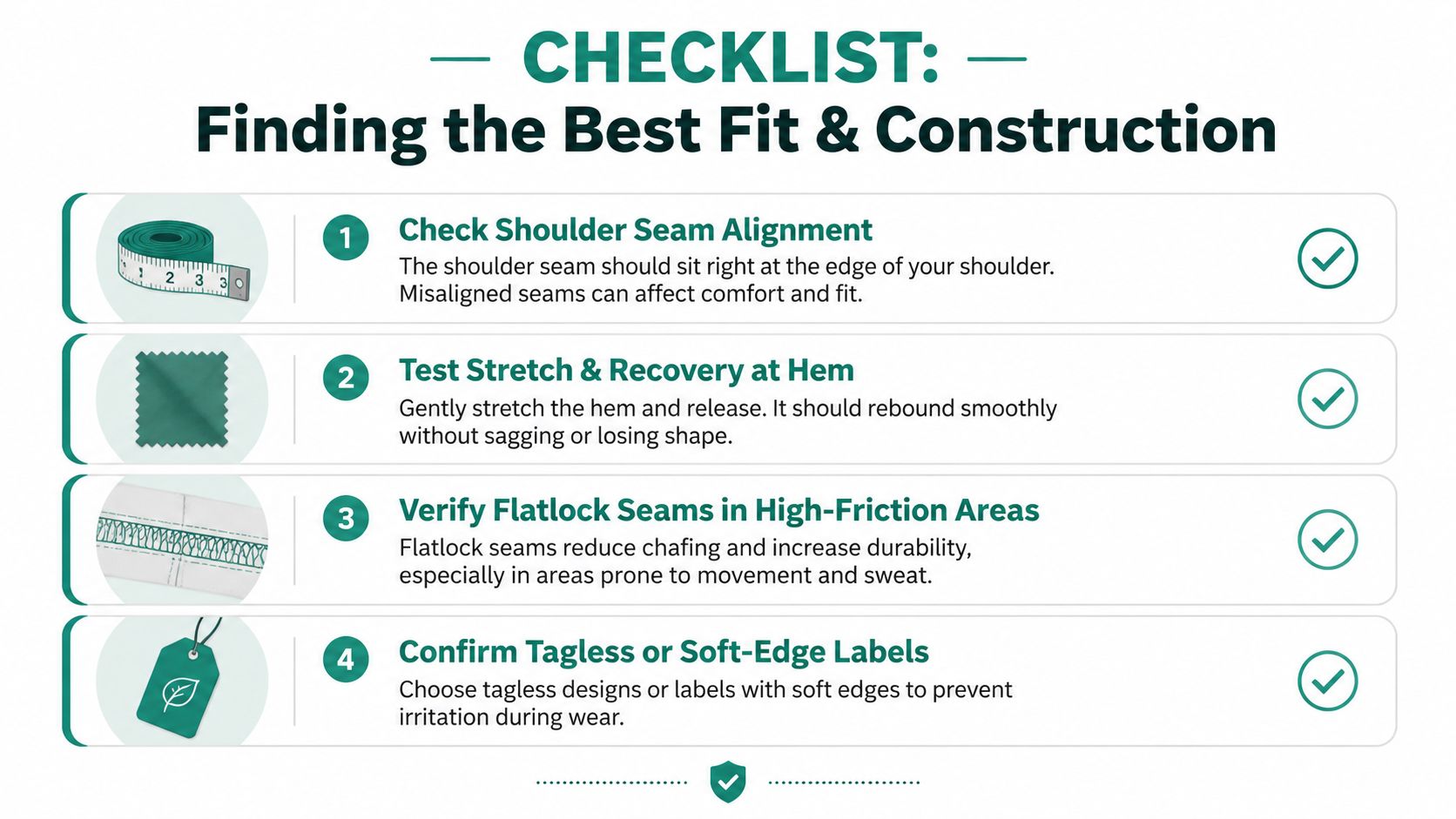
Start at the shoulder. Dropped shoulders and raglan sleeves generally create more room for pressing and pulling, while a conventional seam can feel restrictive if it sits too far inward. A relaxed cut can also help during overhead work, but excessive width may catch on equipment or bunch beneath a jacket.
Use this fitting test
- Raise both arms: The hem shouldn't climb dramatically or expose your midsection during pressing and pull-ups.
- Brace and hinge: Bend as if you're setting up for a deadlift. The torso shouldn't collapse into a thick fold under your belt.
- Rotate your shoulders: Check whether the side seams drag toward the front or rub beneath your arms.
- Stretch the hem: Pull it gently and release. Good recovery matters because a loose hem quickly turns into a sloppy silhouette.
- Inspect stress points: Look for clean stitching around the armholes, collar, and lower hem. Those areas absorb repeated movement and friction.
Torso length deserves more attention than it gets. Too short means constant readjustment during overhead movements. Too long creates bunching during rows, deadlifts, and belt work. A tee should cover the body without becoming a second layer you have to manage between sets.
The women's oversized tee size chart can help shoppers compare garment measurements rather than relying only on labels such as medium or large. That approach is especially important with unisex and oversized cuts, where shoulder width, body width, and sleeve proportions can differ substantially.
Collar recovery is another quiet quality signal. A soft, flexible collar feels comfortable, but it should return to shape after being pulled over your head. Flat or smooth seams help in high-friction areas, particularly for bench work and loaded carries. Don't confuse a boxy silhouette with athletic construction. The best gym fit gives you room where you need movement and control where excess fabric would interfere.
Print Methods That Survive Daily Training and Washing
The graphic is often the first thing you notice and the first thing to fail. Repeated contact with benches, bars, backpacks, sweat, detergent, and dryer heat can crack, peel, fade, or stiffen a design. Print method matters because the decoration becomes part of the garment's mechanical behavior.
Screen printing remains the strongest default for a bold training graphic, provided the ink is properly selected and cured. A textile durability study found screen-printed images among the more wash-resistant samples, with notable color loss appearing after about 10 washing cycles in some samples. The same research area shows that protected screen-printed conductors on coated fabrics survived 50 wash cycles with resistance change below 20%, demonstrating how ink chemistry, substrate, coating, and post-processing influence longevity, as documented in the textile durability research.
Compare the decoration choices
| Print Method | Wash Durability | Stretch Recovery | Breathability Impact | Best For |
|---|---|---|---|---|
| Screen printing | Strong when cured and bonded correctly | Good with suitable ink and placement | A thick print can add stiffness or heat | Bold logos and durable training graphics |
| Direct-to-garment | Detail can be excellent, but friction and washing affect longevity | Usually comfortable on soft fabrics | Often lighter than thick ink layers | Detailed artwork and tonal images |
| Heat transfer vinyl | Opaque and sharply defined | Can feel less flexible at large sizes | May create a sealed hand-feel | Simple lettering and compact graphics |
| Dye sublimation | Ink bonds into compatible polyester fibers | Excellent when fabric remains stable | Minimal surface buildup | All-over designs on polyester performance tees |
Screen printing is my first choice for a graphic that will repeatedly contact a bench or rack. Avoid enormous, rigid ink blocks across high-flex zones if you train in hot conditions. A smaller chest mark or back graphic can preserve the visual impact without turning the print into a plastic panel.
DTG works well when the design depends on fine detail, gradients, or a photographic look. It isn't automatically fragile, but surface friction and poor curing can shorten its presentable life. HTV produces clean, bold lettering, yet its edges need protection from high dryer heat and aggressive stretching. Dye sublimation is extremely practical for polyester performance garments, but it isn't a universal option because the method depends on the fiber and surface color.
Ask the seller what method was used, not just whether the print is “premium.” Then ask how the tee should be washed. A maker who can't explain either point hasn't given you enough information to judge cost per wear.
How Motivation Graphics Reinforce Training Discipline
A motivational graphic works best when it connects to a behavior you already value. “Discipline,” “reps,” or “show up” can sound generic on a rack, but the same words gain force when they reflect your actual training routine. The shirt becomes a visual prompt, not a substitute for effort.
That's why identity-led designs often outlast novelty graphics in a serious wardrobe. A powerlifter may respond to blunt typography and heavy, low-color artwork. A calisthenics athlete may prefer a smaller mark that reflects control and repetition. Someone training for mixed events may choose a graphic that speaks to consistency rather than one specific movement.
Make the design earn its place
Choose graphics that answer a personal question:
- What do I want to remember before training? Patience, intensity, consistency, or technical focus?
- What training identity am I building? Strength athlete, runner, hybrid competitor, or committed beginner?
- Will I still wear it on an ordinary session? A design that only suits a personal-record day may spend too much time in the drawer.
- Does the message fit my environment? A clean logo may transition easily from gym to errands, while a louder graphic can serve as a deliberate training uniform.
The habit cue is strongest when it appears repeatedly. Wear the tee during warm-ups, mobility, or your first working sets, and let the act of putting it on become part of preparation. The design should reduce friction, not create pressure to perform theatrically.
This is also where a smaller brand can feel more relevant than a generic sports logo. A shirt such as No Luck Just Reps Crop Tee communicates a specific training attitude, and the crop silhouette gives the message a different relationship to movement and styling than a conventional tee.
The visual reminder still needs a sound garment underneath it. If the shirt chafes, overheats, or loses its shape, you'll associate the design with discomfort instead of discipline. Motivation earns attention, but construction earns repeat wear.
A useful mental model is simple:
Graphic as cue, garment as support, training as proof.
Care Routines That Extend the Life of Your Tees
Sweat is only half the problem. The damage often happens in the laundry room, where friction, heat, detergent residue, and poor drying choices attack both the print and the fabric. A reliable care routine protects the garment without turning wash day into a complicated project.
Turn the tee inside out before washing. That keeps the graphic from rubbing directly against the drum and other garments. Use cold water and a gentle cycle, especially for printed designs or shirts containing stretch fibers. A mild detergent is preferable to aggressive stain chemicals on the print area.
Follow a low-damage routine
- Air the shirt immediately after training. Don't leave a damp tee compressed in a gym bag. Hang it in an open, ventilated place until you can wash it.
- Wash according to use. A sweat-soaked performance tee needs prompt cleaning. A lightly worn casual layer may not. The goal is to remove sweat salts and odor before they sit in the fibers, without subjecting every garment to needless cycles.
- Skip fabric softener. Softeners can coat moisture-wicking fibers and reduce their ability to move sweat.
- Keep rough items separate. Towels, denim, and garments with abrasive fasteners can rub against the graphic and create pilling.
- Hang dry instead of using high heat. Dryer heat can stress print elasticity, weaken adhesive layers, and distort fabric shape.
Vinegar may help with persistent odor in some wash routines, but don't pour strong cleaning products directly onto a graphic. Test any treatment on an inconspicuous area first, and follow the garment's care label if it differs from general advice.
Don't iron directly over the design. If ironing is necessary, turn the tee inside out and use low heat. Fold printed shirts with the graphic facing inward or resting flat rather than pressing the artwork against rough storage surfaces. For heavier tees, broad hangers can reduce shoulder distortion, but folding is usually safer when the garment has a large, stiff print.
Care also begins before washing. Rotate shirts instead of wearing the same performance tee every session, and keep sweaty garments out of closed hampers for as long as possible. The routine is basic, but consistent care will do more for print life than paying for a fashionable graphic that was never designed for repeated laundering.
Building a Graphic Tee Wardrobe That Works for Every Session
Don't build a graphic workout tee collection around colors alone. Build it around training demands, climate, fit preference, print structure, and how quickly each garment can be washed and dried. A useful rotation includes technical pieces for sweat-heavy work, comfortable hybrids for moderate sessions, and expressive designs that carry enough personal meaning to become part of your training ritual.
Use this matrix as a shopping filter rather than a rigid rule.
| Session Type | Recommended Fabric | Best Fit | Print Method | Rotation Frequency |
|---|---|---|---|---|
| High-output intervals | Polyester-elastane blend | Relaxed athletic or close enough to avoid snagging | Lightweight screen print or dye sublimation | Frequent rotation with prompt washing |
| Heavy strength work | Cotton-poly blend or stable performance knit | Roomy shoulders with controlled torso length | Screen printing | Rotate to reduce repeated friction |
| Upper-body training | Cotton, cotton blend, or performance fabric | Standard or relaxed fit | Screen print or DTG, depending on artwork | Moderate rotation |
| Hot outdoor training | Lightweight synthetic blend | Unrestricted athletic fit | Dye sublimation or light bonded print | Rotate often and wash promptly |
| Rest day and casual wear | Soft cotton or heavyweight cotton | Oversized or boxy | Screen print or detailed DTG | Lower wash frequency when lightly worn |
Spend where failure happens
Invest first in fabric and construction for shirts you'll wear during demanding sessions. A technically appropriate knit, stable collar, smooth seams, and reliable hem matter more than a complicated graphic. For lower-sweat wear, a simpler cotton tee with a well-bonded print can perform perfectly well.
Fit should vary by purpose. Keep one relaxed athletic shape for conditioning, one roomier option for lifting, and an oversized silhouette for warm-ups, post-session wear, and casual styling. That variety prevents every tee from competing with the same movements and reduces the pressure to overwash a favorite.
Print style deserves a rotation of its own. Use subtle graphics for frequent wear and reserve a stronger identity piece for sessions where the message has personal meaning. The point isn't to create a costume. It's to make the clothing support the way you train.
Before buying, check four details: fiber composition, seam placement, print method, and care instructions. If a product page provides only the artwork and fit photo, treat that as incomplete information. A shirt can look powerful online and still fail the first time sweat, a bench, and a hot dryer test it.
If you want to compare a performance-focused option with motivation-led everyday pieces, From: Me Fitness Apparel offers graphic and active tops built around training identity, including made-to-order performance apparel and oversized designs. Visit From: Me Fitness Apparel to browse tees that connect personal messaging with the practical demands of gym and athleisure wear.